What is chaga Mushroom?

Chaga mushroom is one of the most recognizable wild forest ingredients of the northern birch forests. Dark, earthy, and naturally slow-growing, chaga develops on birch trees in cold regions and has long been valued as a traditional tea ingredient.


At Chi Chaga, we work with wild Canadian chaga harvested from birch forests and carefully prepared into chunks, powder, tea bags, and mushroom blends. This page answers common questions about what chaga is, where it comes from, how it tastes, and how people traditionally prepare it.

Harvesting with ♡
Since 2009

A Traditional Forest Tea


For generations, chaga has been prepared as a warm, earthy forest tea. Its deep color, mild taste, and naturally caffeine-free character make it a comforting choice for people looking for a simple ritual rooted in nature.

Unlike many teas made from leaves, chaga is traditionally simmered or steeped from the dense, dark growth found on birch trees. The result is a smooth, woodsy infusion that reflects the forest it comes from.

Why Birch Trees Matter

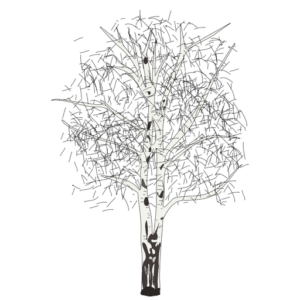
Chaga is closely connected to birch trees. Birch bark naturally contains compounds such as betulin and betulinic acid, which have attracted scientific interest and are part of the reason birch trees have long been respected in traditional wellness practices.

As chaga grows on birch, it becomes part of this remarkable forest relationship. This connection gives wild chaga its unique identity — earthy, complex, and deeply tied to the cold northern forests where it develops.

Wild Canadian Chaga

Wild Canadian chaga grows slowly in cold northern climates, often on birch trees found in remote forest regions. This slow natural growth is part of what gives chaga its dense texture, dark color, and rich forest character.

At Chi Chaga, we focus on wild Canadian chaga because it reflects the natural environment where chaga has traditionally been harvested and prepared. Our chaga is sourced with respect for the forest and handled with care from harvest to packaging.

Premium Canadian Organic Chaga Chunks | Chi Chaga

How Chaga Is Used

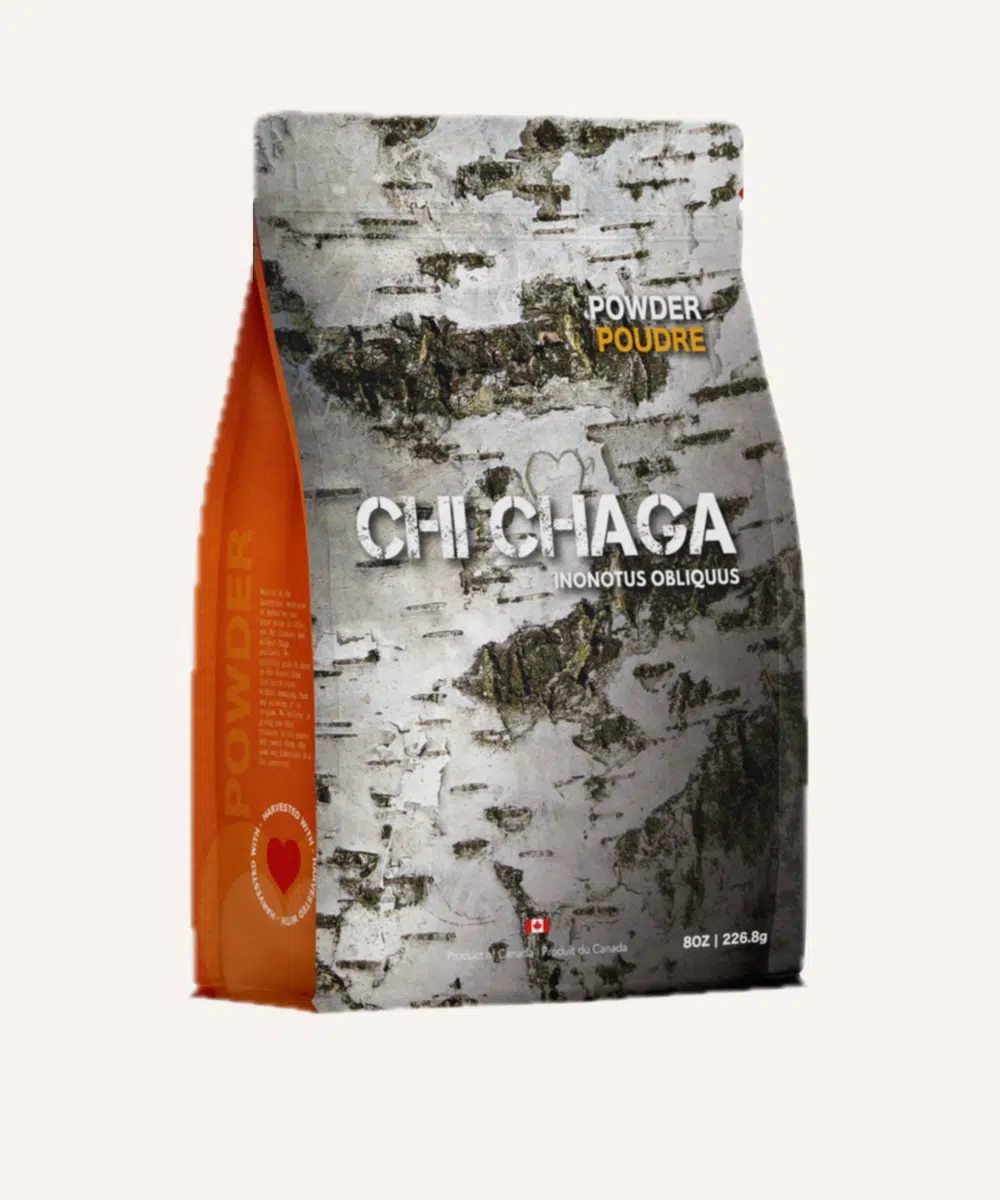
Chaga can be prepared in different ways depending on the form you choose. Chaga chunks are often used for traditional slow simmering, creating a rich and earthy tea. Chaga powder offers a more convenient option for daily preparation, blending, or adding to hot water.

Chaga tea bags are ideal for people who want a simple, ready-to-steep option, while mushroom tea blends combine chaga with other ingredients for a more layered tea ritual. Each format offers a different way to enjoy wild Canadian chaga.

Quality Matters

Not all chaga is sourced, prepared, or verified the same way. Quality begins with where the chaga comes from, how it is harvested, how it is dried, and how it is handled before it reaches the customer. Chi Chaga is committed to responsible forest-to-shelf practices, careful preparation, and product transparency. To learn more about our sourcing, certifications, testing, and verification process, visit our Quality & Sourcing page.

Common Chaga Questions

Below, you’ll find answers to common questions about chaga mushroom, including where it comes from, how it grows, what it tastes like, how to prepare it, and how to choose the right chaga product for your routine.

What is Chaga, and where does it come from?

Chaga is a wild forest fungus that grows mainly on birch trees in cold northern regions. It forms as a hard, dark, charcoal-like growth on the outside of the tree, with a warmer brown-orange interior.

For generations, chaga has been traditionally prepared as a warm, earthy tea. It is especially associated with northern birch forests, where the cold climate, the tree, and the slow natural growth all contribute to its unique forest character.

Is Chaga safe for everyone?

While Chaga is generally considered safe for most people and has been used for centuries in traditional medicine or simply as a daily tea, it’s important to note that, like anything consumed, it may not be suitable for everyone. If you are pregnant, breastfeeding, have a medical condition, or are taking medications—especially those that affect blood sugar—it’s recommended that you consult with your healthcare provider before adding Chaga to your routine.

What does Chaga Tastes like?

Chaga has a unique and earthy flavor profile. When brewed as a tea, it often has a mild, slightly woody taste with hints of vanilla or cocoa. Some people describe it as having a slightly bitter or nutty undertone. The flavor is generally smooth and not overpowering, making it a pleasant addition to your daily routine.

Does chaga contain caffeine?

No. Chaga is naturally caffeine-free. It can be enjoyed as a warm, earthy tea at any time of day, including in the evening.

Does Chaga contain a fruiting body?

Chaga is different from many common mushrooms because it does not grow as a typical cap-and-stem fruiting body. The part commonly harvested and prepared as chaga is the dense, dark, hardened growth found on the outside of birch trees.

This is one of the reasons chaga looks so different from other mushrooms and is often described as a unique wild forest fungus rather than a typical culinary mushroom.

Is it okay to drink Chaga at night?

Yes, it is generally okay to drink Chaga at night. However, some people who consume Chaga for the first time might experience a surge of energy. If you find that Chaga affects your sleep, you might consider enjoying it earlier in the day. As with any supplement, it's important to listen to your body and adjust your consumption based on how it affects you personally.

How do I prepare Chaga mushroom powder?

Chaga mushroom powder can be consumed in various ways, including as tea, added to smoothies, or incorporated into your favorite food recipes.

How to Prepare Chaga Mushroom to Drink as Tea:

1.Boil the desired amount of water in a teapot or kettle.

2.Add one teaspoon of Chaga powder per cup of water using a tea infuser, tea ball, or tea bag.

3.Place the infuser, tea ball, or tea bag into the boiling water and let it steep for 2 to 3 minutes, or longer if you prefer a stronger flavor.

4.Remove the infuser, tea ball, or tea bag.

5.Enjoy your Chaga tea!

How do I prepare Chaga mushroom chunks?

1.Bring a small handful of Chaga chunks to a boil in 4 cups of water.

2.Reduce the heat and let it simmer for 10 minutes.

3.Strain out the Chaga chunks.

You can save the Chaga chunks in the refrigerator and re-infuse them up to 3 times. We encourage this practice since wild Chaga is rare and contains a vast amount of nutrients that can be extracted through multiple infusions.

The Authentic Chaga vs. the Imitation

Authentic chaga is a wild forest growth that develops naturally on birch trees in cold northern regions. It is dark, dense, earthy, and very different from cultivated mushrooms grown in controlled environments.

Because chaga has become more popular, not all products sold as “chaga” are the same. Some may be made from cultivated material, fillers, or lower-quality sources that do not reflect the character of wild birch-grown chaga.

At Chi Chaga, we focus on wild Canadian chaga sourced from birch forests and carefully prepared to preserve its natural forest character. For customers, the difference is about origin, quality, traceability, and trust.

I’ve read that Chaga must be simmered for 6 and even 24 hours. Is it true?

I’ve read that chaga must be simmered for 6 or even 24 hours. Is it true?

The idea that chaga must always be simmered for very long periods is a common misconception. It likely comes from older practices where very large pieces of chaga were boiled for extended periods to make large batches or strong extractions.

For smaller chaga chunks used at home, such long simmering times are usually not necessary. A shorter simmer can still create a flavorful, dark, earthy tea. Some people prefer to simmer chaga longer for a stronger taste and deeper color, but there is no single required simmering time for everyone.

Chaga powder and tea bags usually require even less preparation time than chunks, making them convenient options for everyday use.

Where does chaga grow?

Chaga grows naturally in cold northern forests, especially on birch trees. It is commonly found in regions such as Canada, Alaska, Northern Europe, and parts of Asia. Chi Chaga works with wild Canadian chaga harvested from birch forests and carefully prepared into chunks, powder, tea bags, and mushroom blends.

Is chaga really a mushroom?

Chaga is commonly called a mushroom, but it does not look like the typical mushrooms people see in grocery stores. Instead of having a cap and stem, chaga appears as a dense, dark growth on birch trees. This is part of what makes it unique among forest fungi.

Why does chaga grow on birch trees?

Chaga is closely associated with birch trees. Birch bark naturally contains compounds such as betulin and betulinic acid, which have attracted scientific interest. As chaga develops on birch, it becomes part of this unique forest relationship, giving it its earthy character and strong connection to northern forests.

What does chaga taste like?

Chaga has a mild, earthy, slightly woody taste. It is not bitter like some medicinal herbs and does not taste like culinary mushrooms. Many people enjoy it as a smooth, caffeine-free forest tea.

How do you prepare chaga tea?

Chaga can be prepared by steeping or simmering chaga chunks, powder, or tea bags in hot water. Chaga chunks are often used for traditional slow simmering, while powder and tea bags offer a more convenient way to enjoy chaga daily.

What is the difference between chaga chunks and chaga powder?

Chaga chunks are larger pieces of wild chaga often used for traditional simmering. Chaga powder is finely ground and easier to prepare quickly or blend into drinks. Both come from chaga, but they offer different preparation styles.

Can you reuse chaga chunks?

Yes. Chaga chunks can often be reused several times until the tea becomes lighter in color and milder in taste. For best results, store used chunks properly between uses and discard them if they lose their rich color or aroma.

Can I drink chaga every day?

Many people enjoy chaga as part of a daily tea ritual. However, customers should follow product directions and speak with a health professional if they are pregnant, nursing, taking medication, or managing a health condition.

Is chaga a tea?

Chaga itself is not a tea leaf, but it is commonly prepared as a tea. When chaga is steeped or simmered in hot water, it creates a dark, earthy, caffeine-free infusion.

Is chaga the same as coffee?

No. Chaga is not coffee and does not contain caffeine. However, because it creates a dark, rich drink, some people enjoy it as a caffeine-free alternative to coffee or as part of a morning routine.

What is wild Canadian chaga?

Wild Canadian chaga refers to chaga that grows naturally in Canadian birch forests rather than being cultivated in controlled environments. Cold climates and slow natural growth help give wild chaga its dense texture, dark color, and earthy forest character.

Why choose wild chaga instead of cultivated chaga?

Wild chaga grows naturally on birch trees in forest environments, while cultivated mushroom products are grown under controlled conditions. For customers looking for traditional birch-grown chaga, wild Canadian chaga offers a more authentic forest-sourced option.

Why is Canadian chaga different?

Canadian chaga grows in cold northern forests where birch trees are part of the natural landscape. The climate, the forest environment, and the slow natural growth of wild chaga all help give Canadian chaga its dense texture, dark color, and earthy character.

But Canadian chaga is not only about climate. It is also about trust, traceability, and clearer sourcing. When chaga comes from a Canadian company with transparent practices, customers can better understand where the chaga comes from, how it is handled, and who is preparing it.

Why does sourcing matter when buying chaga?

Not all products sold as “chaga” are the same. True wild chaga develops naturally on birch trees in forest environments, while some products may come from cultivated mushroom material, unclear sources, or lower-quality supply chains.

Sourcing matters because it affects authenticity, quality, traceability, and trust. Knowing where your chaga comes from helps you choose a product with confidence.

Why choose Chi Chaga for wild Canadian chaga?

Chi Chaga focuses on wild Canadian chaga sourced from birch forests and carefully prepared from forest to shelf. We offer chaga in several forms, including chunks, powder, tea bags, mushroom tea blends, and selected Health Canada licensed natural health products.

For customers looking for premium wild Canadian chaga, the difference comes down to origin, quality, preparation, traceability, and trust.

Is Chi Chaga a Canadian chaga pioneer?

Yes. Chi Chaga is a chaga pioneer. Founded in 2009, at a time when chaga was still mostly found in farmers’ markets, niche wellness circles, and small local communities, Chi Chaga helped bring wild chaga into the mainstream market as we know it today.

Over the years, Chi Chaga has supplied chaga products under its own brand and through private-label partnerships with established brands around the world. Through chaga teas, powders, chunks, mushroom blends, and natural health products, Chi Chaga has played an important role in introducing more people to this remarkable forest ingredient and helping build the modern chaga category globally.

Our goal has always been simple: bring high-quality wild chaga from the forest to your cup with care, transparency, and respect for the birch forests where chaga naturally grows.

Why has chaga become so popular?

Chaga has become more popular as people look for simple, natural, caffeine-free drinks connected to traditional forest ingredients. Its earthy taste, dark color, and long history as a tea have helped it move from niche wellness markets into the mainstream.

Chi Chaga has been part of that shift since 2009, helping introduce wild chaga to more customers through teas, powders, chunks, mushroom blends, and natural health products.

Why does forest-to-shelf quality matter?

Forest-to-shelf quality matters because chaga passes through many steps before it reaches the customer: harvesting, drying, cutting, grinding, blending, packaging, and storage. Each step can affect the final product.

Chi Chaga focuses on careful handling from harvest to packaging so customers receive wild chaga that reflects its natural forest character.

What makes wild chaga different from cultivated mushroom products?

Wild chaga develops naturally on birch trees in forest environments, while cultivated mushroom products are grown under controlled conditions. For customers looking for traditional birch-grown chaga, wild chaga offers a closer connection to the forest where chaga has long been harvested and prepared.

A simple way to understand the difference is to compare pure maple syrup to artificial maple-flavoured syrup. Both may be used in a similar way, but they are not the same in origin, character, or authenticity. Wild chaga carries the identity of the birch forest it comes from, while cultivated alternatives do not offer the same forest-grown connection.

Chi Chaga focuses on wild chaga sourced from birch forests and prepared with care, transparency, and respect for its natural origin.

Why is chaga often called a forest ingredient?

Chaga is often called a forest ingredient because it grows naturally on birch trees in cold northern forests. Unlike typical teas made from leaves, chaga comes from a dense, dark growth found on trees and is traditionally prepared by steeping or simmering it in hot water.

Its taste, color, and character are closely tied to the forest environment where it grows.

Why does chaga look so different from other mushrooms?

Chaga looks different because it does not grow like the typical cap-and-stem mushrooms people usually imagine. Instead, chaga forms as a hard, dark, irregular growth on the outside of birch trees.

Its rough, charcoal-like appearance comes from the outer layer exposed to the forest environment, while the inside is usually a warmer brown-orange color. This unusual look is part of what makes chaga one of the most recognizable wild forest fungi.

Explore Chi Chaga’s wild Canadian chaga products and discover the format that fits your routine — from traditional chunks and fine powder to convenient tea bags and mushroom blends.