The Birch Tree: The Quiet Forest Guardian Behind Chaga

Before there is chaga, there is birch.

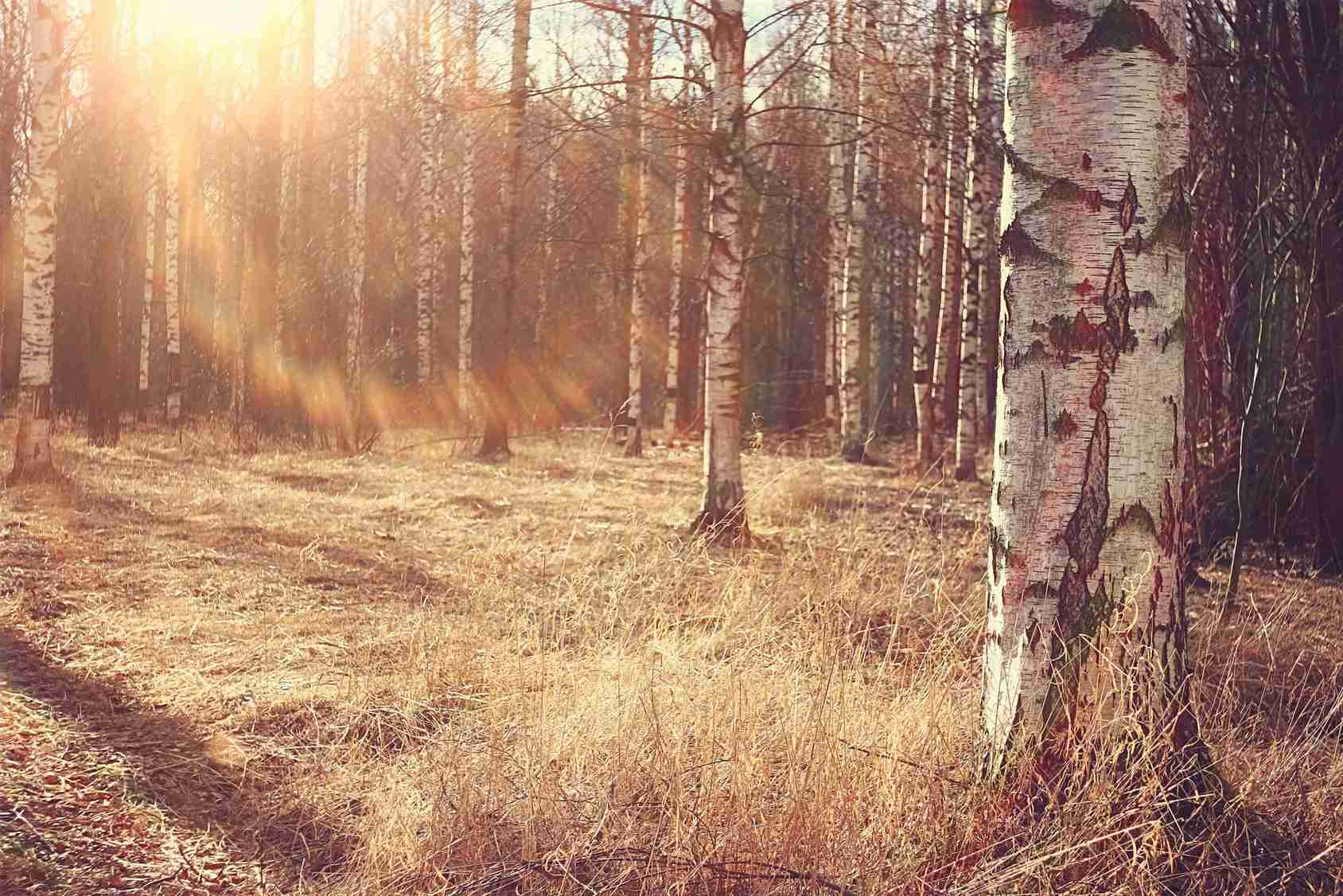
In the northern forests of Canada, the birch tree stands as one of nature’s most elegant and resilient trees. With its pale bark, graceful shape, and ability to thrive in cold climates, birch has long been admired not only for its beauty, but also for its many traditional uses. It is a tree deeply connected to the land, the changing seasons, and the natural rhythms of the boreal forest.

For centuries, birch trees have held an important place in northern cultures. Their bark was used to make canoes, baskets, containers, shelters, and fire starters. Birch wood has been valued for warmth, tools, furniture, and craftsmanship. Even birch sap, collected in early spring, has been enjoyed as a refreshing seasonal drink. Every part of the tree seems to carry a purpose.

But one of the birch tree’s most fascinating gifts is its relationship with chaga.

Chaga is a wild mushroom that grows primarily on birch trees in cold northern regions. It develops slowly over many years, absorbing compounds from the birch as it matures. This long relationship between tree and mushroom is part of what makes chaga so unique. It is not simply a mushroom growing in the forest; it is a product of time, climate, patience, and the living strength of the birch tree itself.


Birch trees naturally contain compounds such as betulin and betulinic acid, which are found in the bark. These compounds have attracted scientific interest and are one reason the birch tree has been respected in traditional wellness practices. As chaga grows on birch, it becomes part of this remarkable forest exchange, taking on a character that is earthy, complex, and deeply tied to its host tree.

This is why the source of chaga matters.

Wild chaga harvested from clean Canadian birch forests carries the story of its environment. The cold climate, fresh air, long winters, and untouched forest conditions all contribute to the quality of the chaga. Just as wine reflects the soil and climate of a vineyard, chaga reflects the forest it comes from — and at the heart of that forest is the birch tree.


The birch is also a symbol of renewal. In many landscapes, birch trees are among the first to grow after fire or disturbance, helping the forest regenerate. Their white bark stands out against dark woods and winter snow, almost like a quiet sign of life and resilience. This ability to endure and restore makes the birch tree a powerful emblem of nature’s intelligence.


At Chi Chaga, we see chaga not only as a mushroom, but as part of a much larger forest story. It begins with the birch tree — strong, generous, and deeply rooted in northern tradition. Every cup of chaga tea is a connection to that story: the tree, the forest, the cold Canadian air, and the patient work of nature over time.

To understand chaga, we must first appreciate the birch. Because without the birch tree, there is no true wild chaga.